

Why Landscape Architecture Deserves More Recognition in Great Design
- Nov 10, 2025
- 3 min read
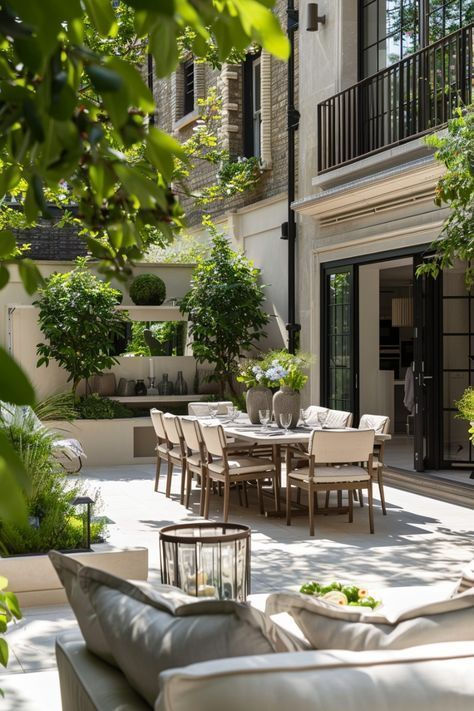
Landscape architecture is often overlooked, yet it plays a vital role in shaping our environments. From bustling urban parks to serene residential gardens, landscape architecture create spaces that significantly enhance our quality of life. They promote sustainability and foster community engagement. This post highlights the importance of landscape architecture and why it truly deserves more recognition within the design world.
The Role of Landscape Architecture
Landscape architecture combines art and science to design outdoor spaces. It entails various elements, such as plants, landforms, water features and built structures. Landscape architectures are responsible for creating environments that are not only beautiful but also functional and beneficial to both people and nature.
The Impact on Urban Environments
In cities, landscape architecture is crucial for enhancing residents' quality of life. Parks, green roofs and community gardens are vital components. They provide necessary green spaces that promote physical and mental health. Research shows that spending time in green spaces can reduce stress by up to 30%.
Furthermore, well-planned landscapes help mitigate urban heat islands. They improve air quality and manage storm water runoff effectively.
Enhancing Community Engagement
Landscape architecture promotes community engagement by designing spaces that foster social interaction. Public parks, plazas and community gardens serve as gathering spots. They encourage people to connect, share experiences and form relationships. A study found that community gardens can increase social ties by nearly 60%.
Landscape architectures often involve community members in the design process, ensuring the spaces cater to users' needs. This participatory approach results in designs that reflect community values and aspirations. When people see their ideas realised, they feel a greater sense of ownership and pride in their environment.
Sustainability and Environmental Stewardship
A major contribution of landscape architecture is its emphasis on sustainability. Landscape architectures aim to create designs that minimise environmental impact. For instance, they often select native plants that require less water and maintenance. Also, employing green infrastructure, such as permeable pavements and rain gardens, helps manage storm water efficiently.
The Aesthetic Value of Landscape Architecture
While functionality is essential, the aesthetic value of landscape architecture is undeniable. A thoughtfully designed landscape can evoke emotions and inspire creativity. For example, the Piazza Gae Aulenti in Milan is a stunning urban space that combines modern architecture with lush plantings, creating a vibrant atmosphere.
Landscape architectures skilfully use colours, textures and forms to create visually captivating environments. Whether designing a peaceful garden or a lively park, the aesthetic aspect enhances our experiences and overall wellbeing.
The Intersection of Landscape Architecture and Other Disciplines
Landscape architecture intersects with various design fields, such as architecture, urban planning and environmental science. This collaboration allows landscape architects to create cohesive designs that address complex challenges effectively.
For example, when developing a new urban area, landscape architectures can provide insights on site selection and effective drainage solutions. Their expertise ensures that landscapes complement buildings, enhancing both the structure and its surroundings.
Challenges Facing Landscape Architecture
Despite its numerous benefits, landscape architecture often struggles for recognition. One major issue is the public's lack of understanding about the profession. Many people may not grasp the full scope of what landscape architects do and how their work impacts daily life.
In addition, landscape architecture projects may receive less funding compared to other design fields. This lack of resources can prevent landscape architectures from bringing their creative visions to life. Raising awareness about the importance of landscape architecture is crucial for securing the support it needs.
The Path Forward
Landscape architecture stands as a vital part of great design, profoundly influencing our environments and improving our quality of life. Its effects on urban spaces, community involvement, sustainability and aesthetics carry significant weight. As we face growing environmental challenges and rapid urbanisation, the demand for skilled landscape architectures will only continue to rise.
By recognising and valuing the contributions of landscape architecture, we can build more sustainable, resilient and beautiful environments for future generations. It is time we give landscape architecture the acknowledgment it deserves and celebrate its integral role in great design.
Landscape architecture is far more than arranging plants or designing outdoor spaces, it’s the art and science of shaping environments that inspire, sustain and connect people to nature. From urban parks that revive communities to green rooftops that combat climate change, landscape architects play a crucial role in creating a more liveable and beautiful world. It’s time this discipline receives the recognition it truly deserves as a cornerstone of great design.
If you’re inspired to bring thoughtful, sustainable design to your next project, contact iMAC architecture today. Our team is passionate about transforming spaces into meaningful landscapes that enrich lives and stand the test of time.



Comments