

Essential Tips for Designing a Garden That Fits Your Lifestyle
- Mar 9
- 3 min read
Creating a garden that suits your lifestyle means more than just planting flowers or trees. It requires thoughtful planning to ensure the space works for your daily routines, hobbies and relaxation needs. Whether you want a quiet retreat, a play area for kids or a space to grow your own vegetables, designing a garden around your lifestyle makes it a place you truly enjoy.
Understand How You Use Your Outdoor Space
Start by thinking about how you want to use your garden. Ask yourself:
Do you want a space for entertaining guests?
Is gardening a hobby you want to pursue?
Do you need a safe play area for children or pets?
Would you like a quiet spot for reading or meditation?
Knowing your priorities helps shape the design. For example, if you enjoy hosting barbecues, include a patio or deck with seating and a grill area. If you want to grow vegetables, plan raised beds or a greenhouse.
Assess Your Garden’s Conditions
Your garden’s size, shape and natural features affect what you can do. Take note of:
Sunlight patterns throughout the day
Soil type and quality
Drainage and water availability
Existing trees, slopes, or structures
For instance, a sunny spot is ideal for vegetables and herbs, while shaded areas suit ferns or hostas. Understanding these factors prevents frustration later and helps you choose plants and features that thrive.
Choose Plants That Match Your Lifestyle
Select plants based on how much time you want to spend maintaining your garden. If you prefer low maintenance, choose native plants or drought-tolerant varieties that need less watering and care. If gardening is a passion, you might enjoy a mix of seasonal flowers, vegetables and fruit trees.
Consider these examples:
Busy professionals might opt for evergreen shrubs and perennials that require minimal pruning.
Families with children could plant fruit bushes or easy-to-grow vegetables to involve kids in gardening.
Those seeking relaxation might include fragrant flowers like lavender or jasmine.
Design Functional Zones
Divide your garden into zones that serve different purposes. This makes the space more organised and easier to use. Common zones include:
Relaxation area: A bench, hammock or seating surrounded by calming plants.
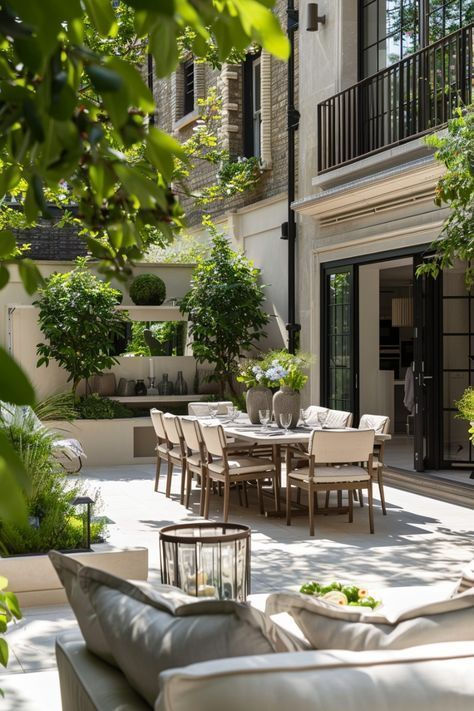
Dining or entertaining space: A table with chairs, possibly under a pergola or umbrella.
Play area: Soft grass or mulch with safe equipment for children.
Growing zone: Vegetable beds, herb spirals or fruit trees.
Clear separation helps keep the garden tidy and ensures each activity has its own space.
Plan for Year-Round Interest
A garden that looks good all year adds more value to your lifestyle. Choose a mix of plants that bloom or show colour in different seasons. Evergreen plants provide structure in winter, while spring bulbs and summer flowers add bursts of colour.
For example:
Plant daffodils and tulips for early spring.
Include flowering shrubs like hydrangeas for summer.
Add ornamental grasses and evergreens for winter texture.
This approach keeps your garden inviting no matter the season.
Incorporate Practical Features
Think about features that make your garden easier to enjoy and maintain:
Paths and walkways: Define routes and protect plants.
Storage: A shed or storage box for tools and cushions.
Irrigation: Drip systems or rain barrels to save water.
Lighting: Solar or low-voltage lights for evening use.
These details improve comfort and functionality, making your garden a true extension of your home.
Keep Your Budget and Time in Mind
Designing a garden that fits your lifestyle also means balancing your budget and the time you can dedicate to upkeep. Start small if needed and expand over time. Choose durable materials and plants suited to your climate to reduce replacement costs.
For example, a simple container garden on a balcony can be a great start for someone with limited space or time. On the other hand, a larger garden with multiple zones may require more investment but offers more options.
If you’re ready to transform your outdoor space into a personalised oasis, iMAC architecture is here to guide you.


Comments