

Harmonising Heritage and Innovation in Architectural Design
In architecture, merging old and new is both a creative challenge and an opportunity. Buildings do more than shelter; they reflect culture, history and community identity. Striking the right balance between honouring heritage and embracing contemporary design is essential for architects, developers and homeowners alike. Let's explore how to blend classic designs with modern elements for structures that resonate deeply and stand the test of time.
The Importance of Architectural Context
Before diving into methods for integrating different design elements, it’s crucial to recognise the role of context in architecture. Context goes beyond the site to include historical, cultural and social elements that shape a community’s architectural style.
When designing, consider the surrounding environment and the stories that buildings tell. For example, a historic neighbourhood with Victorian-style homes should inspire new designs to maintain the character of the area. Approaching design with this understanding can create architecture that respects tradition while looking toward the future.
Embracing Local History and Culture
Drawing from local history is one of the most effective ways to blend old and new in architectural design. Each community boasts unique architectural styles developed over time. Architects can create modern buildings rooted in these traditions.
For instance, in an area known for its timber-framed houses, using reclaimed wood in a new construction can reinforce a connection to the past.
Material Choices: A Bridge Between Eras
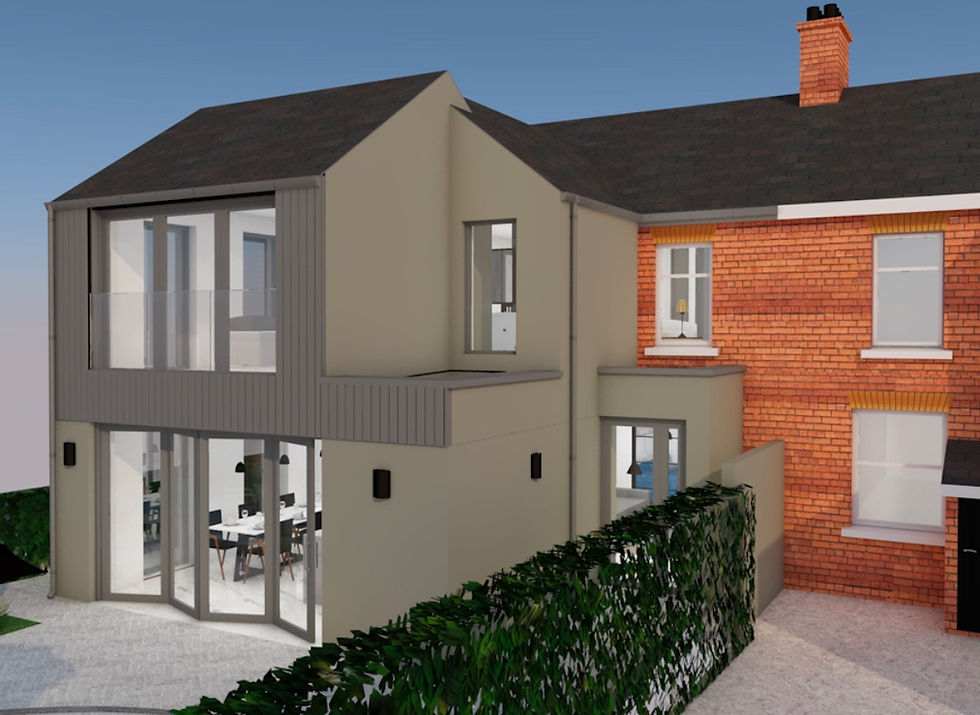
Material selection is critical in architectural design when harmonising the old with the new. Traditional materials like brick, stone and wood evoke historical sentiment, whereas modern materials such as glass and steel offer a fresh touch.
A striking example is modern homes that incorporate large glass windows alongside original brick homes. This combination creates a fascinating contrast, inviting curiosity and appreciation from onlookers. However, remember that the aim is not to use materials merely for novelty; they should fit harmoniously with their surroundings.
Form and Function: Balancing Aesthetics with Practicality
While aesthetics are vital, functionality is equally important in architectural design. Many modernists prioritise minimalism, sometimes overshadowing historical aesthetics. Instead, think about how modern needs can enhance traditional forms.
For example, integrating solar panels with a classic roof design allows for energy efficiency without sacrificing style.
Design Techniques for Effective Integration
Successfully blending old and new architectural elements involves several practical strategies:
Visual Cohesion: Use similar shapes, lines or patterns. A rounded modern bay window can subtly hint at the curved archways typical of historical styles, fostering visual harmony.
Landscaping: Thoughtful landscaping enhances the connection between old and new. Using native plants or traditional garden designs can create a graceful transition, tying modern structures into the history of the area.
Community Engagement: A Collaborative Approach
Involving the community during the design phase can enrich the outcome. Conversations with residents about their history, needs and aspirations can generate valuable insights.
When community members feel involved, their feedback can significantly influence the final design. This collaboration fosters a sense of ownership and pride, creating a lasting relationship between new developments and historical elements that allows both to exist harmoniously.
Final Thoughts
Merging old and new in architectural design is a rewarding journey filled with creativity and sensitivity. By respecting local histories, choosing appropriate materials, balancing form with function, employing effective design strategies and engaging the community, it is possible to create spaces that resonate across generations.
The blend of heritage and innovation ensures that buildings serve more than simply as shelter; they tell stories, evoke emotions and forge lasting connections. As architecture evolves, the chance to harmonise past and present is both an exciting challenge and an invitation to imagine the spaces we inhabit.
At iMac architecture, we specialise in creating timeless spaces that honour architectural legacy while embracing forward-thinking design. Whether you're planning a sensitive restoration or a bold integration of old and new, we’re here to guide you every step of the way.
Get in touch with iMac architecture to begin your project, where tradition meets innovation.


Comments